
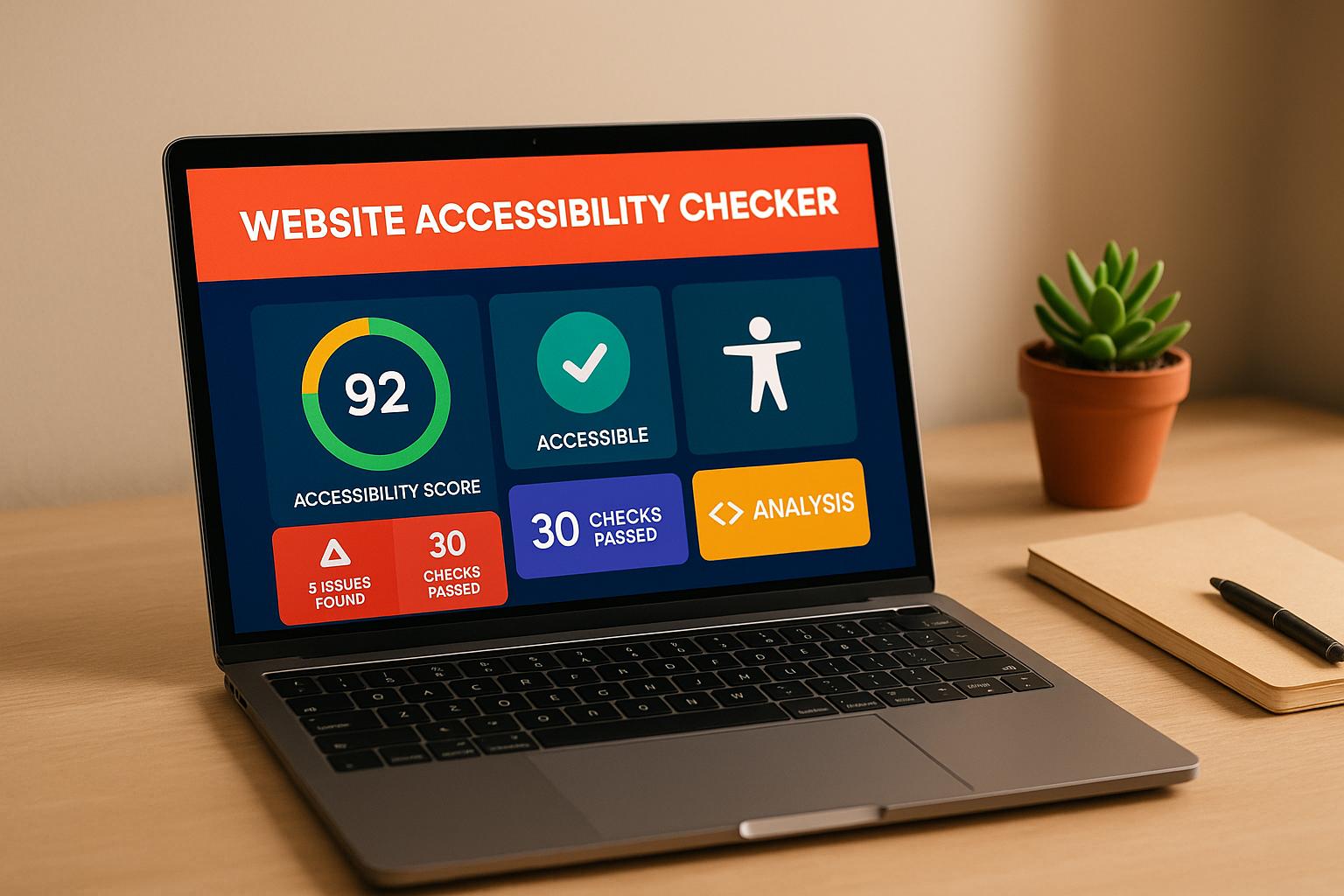
Improve Your Site with a Website Accessibility Checker
In today’s digital landscape, creating an inclusive online space is more important than ever. A staggering number of users rely on assistive technologies to browse the web, and if your site isn’t built with their needs in mind, you’re unintentionally shutting them out. That’s where tools to evaluate web inclusivity come in handy. They help pinpoint barriers that might prevent people with disabilities from engaging with your content.
Why Accessibility Matters
Beyond the moral imperative, ensuring your website meets standards like WCAG (Web Content Accessibility Guidelines) can protect you from legal risks and enhance your brand’s reputation. Many businesses don’t realize their site has issues—whether it’s low contrast between text and background or images without descriptive tags—until they run a scan. Addressing these gaps not only helps users but also improves your search engine rankings since accessibility often aligns with SEO best practices.
Take Action Today
Don’t wait for complaints or penalties to prioritize this. Running a quick check on your site can reveal easy fixes that make a huge difference. Start with a reliable evaluation tool, review the insights, and commit to building a web experience that welcomes everyone.
FAQs
What does a website accessibility checker do?
Great question! Our tool evaluates your website against key accessibility standards like WCAG (Web Content Accessibility Guidelines). It looks for common issues—think missing image descriptions, tricky color contrasts, or navigation that’s tough for keyboard users. You’ll get a report that not only flags these problems but also gives you clear steps to fix them. It’s like having an accessibility expert guide you through making your site welcoming to everyone, including people with disabilities.
Is this tool enough to ensure full WCAG compliance?
Not quite, but it’s a fantastic starting point. Our checker catches many common issues and offers solid recommendations, but full compliance often requires deeper manual testing, especially for complex sites. Things like user experience for screen readers or nuanced ARIA roles might need a human touch. Use our report as your roadmap, and if you’re aiming for airtight compliance (like for legal reasons), consider pairing this with an expert audit. We’ve got links to detailed guidelines to help you go further if needed.
Why is website accessibility important?
Accessibility matters because it ensures everyone—regardless of ability—can use your website. Beyond the ethical angle, it’s often a legal requirement under laws like the ADA in the US or similar regulations elsewhere. Plus, an inclusive site boosts your SEO, widens your audience, and builds trust with users. Think of it this way: if someone can’t navigate your site due to poor design, you’re losing potential customers or readers. Our tool helps you break down those barriers and create a better web for all.