

AI makes managing and growing directory websites faster and easier. It automates tedious tasks like data entry, content creation, and SEO, allowing you to focus on growth. Here's what AI can do for you:
- Automate Data Management: Tools like Firecrawl and Scrapy handle data collection, updates, and formatting (e.g., U.S.-specific phone numbers and dollar amounts).
- Generate Content Quickly: AI tools like ChatGPT can create SEO-friendly business descriptions and FAQs in bulk.
- Improve SEO: Platforms like Surfer SEO and SEMrush optimize keywords, meta tags, and sitemaps for better search rankings.
- Personalize User Experience: AI-powered recommendations and chatbots enhance search results and customer support.
- Increase Revenue: AI helps manage premium listings, subscription plans, and pricing dynamically based on demand.
- Monitor Performance: AI analytics track user behavior, listing performance, and market trends, providing actionable insights.
Platforms like Lideroo simplify AI adoption with no-code tools for automation, content generation, and monetization. By leveraging AI, directory websites can scale effectively, improve user experience, and boost revenue - all with less manual effort.
How to Build an AI-Powered Directory Website (No Coding Required) | Directorist 8.0

Automating Directory Management with AI
Using AI for directory management doesn't just save time - it transforms how you handle core operations. By automating repetitive tasks, AI allows you to focus on growth and strategy. What used to take weeks can now be accomplished in just hours.
Streamlining Data Management
Tools like Firecrawl and Scrapy make collecting business information a breeze. Instead of manually searching for and entering details like contact information, operating hours, or services, these tools gather that data for you. On top of that, AI agents keep an eye on your listings, automatically updating them when a business changes its phone number, address, or services.
AI also enhances your directory by pulling in extra details, such as social media profiles, customer reviews, ratings, and even recent news mentions. Including this rich context not only makes your directory more useful for users but also eliminates the need for painstaking manual research.
To top it off, AI formats all U.S.-specific data in standard formats - think phone numbers like (555) 123-4567, dollar amounts with the correct symbols, and operating hours in a 12-hour clock. Once the data is enriched and standardized, AI can even generate content to populate your listings quickly and efficiently.
AI-Powered Content Generation
With well-organized data in hand, AI tools like ChatGPT and Copy.ai step in to create SEO-friendly content. These tools can produce business descriptions, FAQ sections, and category pages on a large scale. For even more convenience, platforms like Lideroo let you import spreadsheet data and automatically generate descriptions for each listing.
This approach doesn’t just save time - it helps boost your directory’s authority and search engine rankings. Starting with 10–50 AI-generated pieces of content per month can give your directory a strong foundation while ensuring the content remains structured and relevant.
Efficient Content Moderation
AI also plays a crucial role in keeping your directory clean and credible. Moderation tools powered by machine learning automatically filter out inappropriate content, spam, and duplicate listings before they go live. These algorithms are smart enough to detect fake reviews, spot low-quality submissions, and flag anything that might violate your policies - all without requiring constant manual intervention.
Boosting SEO and Visibility with AI
Enhancing your directory's visibility becomes much easier when you combine high-quality content with technical SEO. AI tools streamline this process by automating essential SEO tasks, ensuring your site consistently ranks higher in search results.
Automating SEO Tasks
AI tools like Surfer SEO and SEMrush take the guesswork out of keyword optimization. These platforms analyze your directory's content, pulling insights from competitors and search data to suggest the most effective keywords [1]. They also help refine your content strategy by identifying opportunities you might have missed. On top of that, AI-driven platforms like Copy.ai and ChatGPT can generate optimized meta tags, schema markup, and even XML sitemaps. These features ensure search engines can easily index your content [1][2].
With these tools in your arsenal, you can create 10–50 optimized articles every month, significantly boosting your site's authority and SEO performance [1]. This steady stream of optimized content sets the stage for better local search rankings.
Improving Local SEO for U.S. Markets
When it comes to local search, accuracy and consistency are non-negotiable. AI tools can validate business listings, ensuring they align with U.S. standards [1]. Automated scripts or AI agents monitor and update your listings to fix discrepancies, avoiding duplicate or outdated entries that can harm your rankings. Maintaining consistent and accurate data not only builds trust with search engines but also enhances your directory's visibility in local search results and on Google Maps.
Trend Analysis and Competitor Research
Staying competitive means keeping up with trends and understanding your rivals. AI tools like Google Trends and Ubersuggest monitor search volumes and highlight emerging topics in real time, helping you adjust your content strategy as trends shift [1]. Predictive analytics can pinpoint trending keywords and underserved niches, giving you a chance to target these areas for better traffic and rankings. Additionally, AI-powered competitor analysis reveals gaps in other directory sites, helping you fine-tune your SEO approach [1].
Lideroo, for example, integrates these AI-driven SEO features directly into its platform. It offers built-in AI content generation, automated SEO optimization, and user-friendly management tools tailored specifically for directory websites. Its no-code functionality makes it simple to update listings with AI-generated meta tags, schema markup, and sitemaps, keeping your site competitive and aligned with SEO best practices.
Improving User Experience with AI Personalization
Transforming your directory website into a dynamic, user-focused platform starts with personalization. By leveraging AI to analyze user behavior, preferences, and search history, you can deliver tailored results and suggestions that make your site more engaging and valuable for visitors.
Personalized Search and Recommendations
AI-powered recommendation engines are like having a digital concierge that knows what users want - sometimes even before they do. For example, if someone types "Italian restaurants in Chicago", the system can instantly consider their previous searches, location, and browsing habits to display the most relevant options.
Using collaborative filtering, the system predicts user interests by analyzing similar profiles. So, if a user frequently searches for upscale dining, future recommendations might prioritize high-end restaurants. At the same time, natural language processing enables the platform to handle detailed queries like "family-friendly pizza places near downtown with parking", delivering results that feel custom-made.
This level of personalization isn't just a nice-to-have - it drives results. Platforms that integrate AI to personalize recommendations often see more repeat visits. According to a 2023 Accenture study, 91% of consumers are more likely to engage with brands offering relevant suggestions [1]. For directory websites, this translates to higher click-through rates, longer browsing sessions, and more premium listing conversions.
But personalization doesn’t stop at search results. AI can also enhance real-time support, making every interaction feel seamless.
AI Chatbots for Customer Support
AI chatbots are changing the game for customer service by providing instant, round-the-clock assistance. These bots can manage multiple conversations at once while offering personalized help based on user data and past interactions.
Take this example: A user asks, "I'm looking for a wedding photographer in Austin under $2,000." A well-trained chatbot can filter results, explain pricing tiers, and highlight top-rated professionals that fit the budget. Beyond answering questions, chatbots can guide users through complex searches, help them navigate categories, and even assist with account management.
The key to successful chatbot implementation lies in training and regular updates. A good chatbot maintains a well-rounded knowledge base, understands conversational context, and knows when to escalate issues to a human agent. This ensures users get quick answers for simple queries and expert assistance for more complicated problems.
Platforms like Lideroo make integrating AI chatbots easy, even for those without coding experience. These bots learn and improve with every interaction, delivering better support over time while lightening the load on human staff.
User Account and Permission Management
AI doesn’t just enhance the front-end experience - it also simplifies user management behind the scenes. By analyzing new registrations and monitoring behavior, AI can verify identities, assign permissions, and ensure users have the right access levels without manual intervention.
This becomes especially useful as your directory grows. For instance, AI can identify a business owner who consistently updates their listing correctly and recommend upgrading them to verified status. On the flip side, it can flag suspicious activity, like spam or fraudulent accounts, to maintain the platform’s integrity.
AI also personalizes the onboarding process. A restaurant owner, for example, might see prompts to upload photos and set operating hours, while a service provider could be encouraged to highlight certifications or service areas.
Even subscription management gets smarter. AI can analyze usage patterns to predict when users might be ready to upgrade to premium features, adjust permissions automatically as subscriptions change, and ensure smooth transitions between user roles.
sbb-itb-dfa823a
Scaling Revenue with AI-Driven Monetization
AI isn't just about creating personalized experiences - it’s also a powerful tool for generating new revenue streams. By analyzing user engagement, market trends, and competitive activity, AI can transform how businesses monetize their platforms. The best part? It works in real time, constantly adjusting to optimize revenue without requiring manual intervention.
Premium Listings and Featured Content
Managing premium listings gets a lot easier with AI. Instead of relying on guesswork, AI evaluates which businesses drive the most engagement - clicks, calls, and conversions - and adjusts their visibility accordingly. For example, if a restaurant frequently appears in user searches and garners positive feedback, AI might suggest featuring it more prominently or prioritizing its placement.
Dynamic pricing is another game-changer. Imagine a surge in searches for "wedding photographers" during spring. AI can automatically increase the cost of featured listings in that category, ensuring you capitalize on heightened demand while staying competitive during quieter times.
AI also optimizes exposure for premium listings by rotating them strategically. Rather than showing the same businesses repeatedly, it ensures paying customers get visibility when their target audience is most active. A lunch spot might dominate weekday mornings, while entertainment venues could shine on weekend nights.
Subscription Plans and Dynamic Pricing
AI takes subscription models to the next level by tailoring them to individual user needs. Instead of offering generic pricing, algorithms analyze how different customer segments interact with your platform and craft personalized subscription tiers.
For instance, AI might identify a group of users who frequently search for specific services. These users could be offered a custom subscription plan with enhanced features, like advanced search options or priority support, priced to reflect the value they receive.
AI also helps reduce churn by predicting when subscribers are likely to leave. Early warning signs - like fewer logins or decreased activity - trigger automatic retention offers. These might include discounts, feature upgrades, or personalized recommendations to re-engage users before they cancel.
On the backend, AI simplifies subscription management. It handles recurring payments in U.S. dollars, sends renewal reminders, and manages billing cycles, freeing up your time to focus on growing your business.
Built-In Monetization Tools with Lideroo
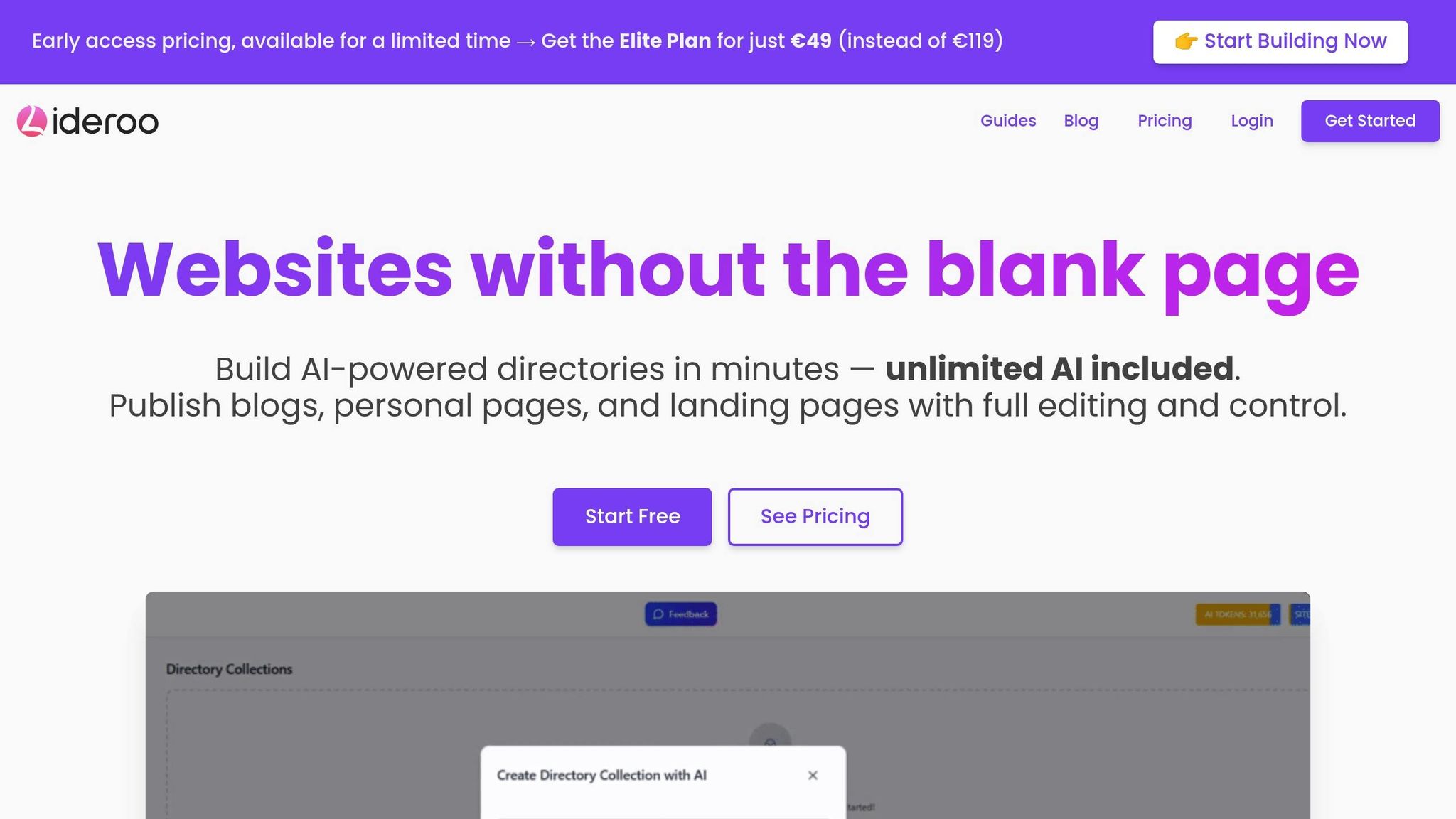
Lideroo makes revenue optimization a breeze with its no-code, AI-driven tools. The platform integrates seamlessly with directory management, handling everything from premium content gating to subscription processing - no technical expertise required.
With U.S.-specific pricing options, Lideroo ensures compliance with local billing standards and supports various payment methods. This means you can launch monetized features right away, skipping the lengthy and expensive custom development process.
Upgrading to premium listings on Lideroo also comes with added perks. Businesses gain access to AI-generated descriptions, SEO enhancements, and visibility tools that make the higher price point worthwhile. These features not only improve the value of premium listings but also make the decision to upgrade an easy one.
Lideroo’s analytics dashboard provides real-time insights into your monetization strategies. Track conversion rates, monitor subscription retention, and uncover new revenue opportunities - all with the help of AI-driven analysis that turns raw data into actionable steps.
What makes Lideroo stand out is its blend of AI automation and user-friendly customization. You can experiment with pricing models, test new premium features, and scale successful strategies - all without the headaches of technical hurdles. It’s a platform designed to help businesses grow smarter and faster.
Using AI Analytics for Continuous Growth
Building and maintaining a directory website isn’t a one-and-done task - it’s an ongoing process that requires regular tweaks and updates. AI analytics takes the guesswork out of this process, turning it into a data-driven strategy. Instead of speculating about what’s working, you get clear, actionable insights into user behavior, listing performance, and revenue trends. These insights help guide your next steps with confidence.
The real advantage of AI analytics lies in its ability to automate monitoring. Rather than spending hours manually reviewing metrics, AI keeps an eye on performance for you, sending alerts when something needs attention. This frees up your time to focus on big-picture strategies while leaving the day-to-day tracking to technology. With this foundation, you can zero in on the performance metrics that truly matter for growth.
Tracking Performance Metrics
AI analytics gathers crucial data like page views, session duration, and bounce rates, giving you a deeper understanding of how visitors interact with your site. On top of that, it tracks listing-specific metrics such as click-through rates, conversion rates, and engagement levels. For revenue, AI monitors real-time data on subscription sign-ups, premium listing purchases, and advertising income.
What sets AI apart is its ability to spot patterns. It can identify trending categories, pinpoint which user segments are most engaged, and flag areas where visitors drop off. For instance, if users frequently search for "wedding photographers" but rarely convert to paid listings, the AI might suggest improving those category pages or revisiting pricing strategies.
Adapting to Market Changes
Search algorithms and user behavior are constantly shifting, influenced by trends, seasons, and updates from platforms like Google. AI analytics helps you stay ahead by tracking both external factors and internal user behavior. When search trends change or algorithms are updated, AI can recommend adjustments before you see a dip in traffic.
Tools like SEMrush and Surfer SEO amplify this advantage by analyzing your directory’s content and suggesting keywords based on competitor performance and search volume. This ensures your site remains visible even as the competitive landscape evolves. AI can also identify emerging trends, allowing you to expand into high-interest niches. For example, if "sustainable restaurants" or "remote work tools" start trending, AI can recommend adding those categories to your directory.
AI also simplifies the process of keeping your listings fresh. Through automated web scraping and data enrichment, it pulls in updates like social media profiles, reviews, ratings, and news, ensuring your directory stays relevant without requiring manual intervention. Beyond that, AI analytics ensures your data remains accurate - a critical factor for maintaining user trust.
Maintaining Data Quality with AI
High-quality data isn’t just about accuracy; it’s about building trust and driving growth. AI agents continuously scan your directory, cross-checking external sources to catch any discrepancies. If a business closes, changes its contact details, or updates its services, the AI flags it and sends you an alert.
These agents work tirelessly, identifying broken links, missing details, and outdated information. Instead of manually combing through thousands of listings, you’ll receive targeted alerts for entries that need updates. AI can even temporarily hide outdated listings until they’re refreshed, ensuring your directory maintains its credibility.
On top of that, business intelligence tools provide insights for both directory owners and listed businesses. They reveal which entries generate the most traffic and what content drives engagement. Combined with AI-powered competitor analysis and market research, these tools help uncover opportunities for growth, allowing your directory to expand without compromising the user experience.
Conclusion: Transform Your Directory Website with AI
Shifting to AI-powered directory management is more than just an upgrade - it's a game-changer. Moving away from manual processes to automation offers directory businesses a chance to expand their capabilities in ways that weren’t possible before.
AI reshapes every aspect of directory management. For instance, automated SEO optimization can boost organic traffic by as much as 30% by targeting trending keywords and fine-tuning content continuously [1]. With AI-driven content generation, directories can publish 10-50 articles monthly, strengthening their authority and climbing search rankings - all without manual effort [1]. On top of that, AI analytics turn raw data into actionable insights, helping directory owners identify high-performing listings and emerging niches. This eliminates guesswork and enables smarter strategies. Revenue streams also become more dynamic with AI-powered premium listings, subscription plans, and personalized featured content that adapt automatically to market trends. For directories managing thousands of listings, AI agents ensure data accuracy by monitoring for changes, spotting outdated entries, and flagging inconsistencies - delivering the reliability users expect without endless manual reviews.
Platforms like Lideroo make adopting AI both simple and accessible. With a no-code, drag-and-drop interface, Lideroo empowers directory owners to implement advanced automation without needing technical expertise. From generating complete directory structures to automating content creation, SEO optimization, and monetization, the platform handles it all while allowing for customization and scalability. This makes it easier than ever to take advantage of AI’s potential.
The directory business is evolving fast, and embracing AI is no longer optional for those aiming to stay competitive. Early adopters of these tools are setting themselves up to scale efficiently, outperform competitors, and meet the rising demand for organized, searchable business information. With proven technology and minimal barriers to entry, now is the time to act.
FAQs
How can AI tools help boost SEO and grow my directory website?
AI tools can play a game-changing role in boosting your directory website's SEO. They make tasks like content creation, keyword optimization, and refining your site's structure faster and more efficient. For example, AI-powered platforms can produce tailored, high-quality content that not only attracts visitors but also improves your search engine rankings.
Take Lideroo, for instance. This tool comes equipped with built-in SEO features, including meta tag optimization, keyword recommendations, and performance tracking. By using tools like this, you can save time, strengthen your site's authority, and grow your directory website with ease.
How can AI enhance user experiences on directory websites and boost engagement?
AI has the power to transform how users interact with directory websites by delivering personalized recommendations, customized search results, and dynamic content. By studying user behavior and preferences, AI can pinpoint the most relevant listings and suggestions, making it easier and faster for users to find exactly what they’re looking for.
This kind of tailored experience doesn’t just make users happy - it keeps them engaged. A website that feels intuitive and aligned with their needs encourages users to explore more. On top of that, features like AI-powered chatbots and automated support add another layer of convenience, ensuring smooth and enjoyable interactions throughout their journey.
How can AI help monetize directory websites with premium listings and subscriptions?
AI simplifies the process of monetizing directory websites by taking over tasks like user segmentation and tailoring personalized recommendations. This means you can provide premium listings with better visibility or added features, along with subscription plans that grant users access to exclusive content or perks.
Using tools such as AI-powered content creation and analysis of user behavior, you can fine-tune these revenue opportunities. For instance, AI can pinpoint top-performing categories for premium listings or propose effective pricing strategies for subscription levels, ensuring a smooth and rewarding experience for both you and your users.